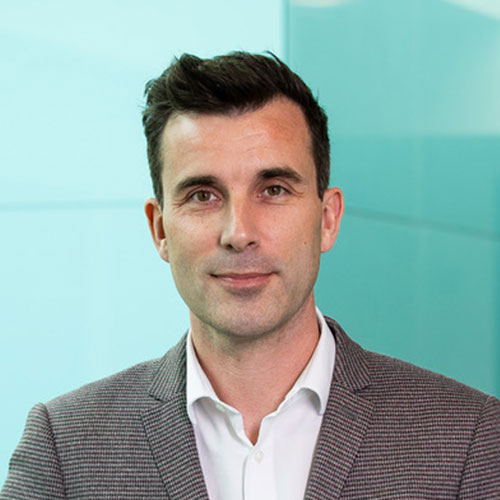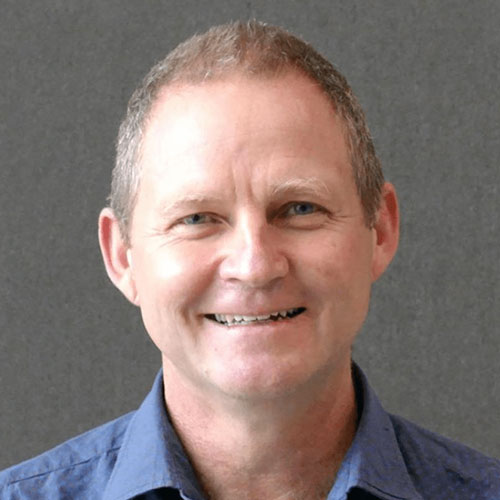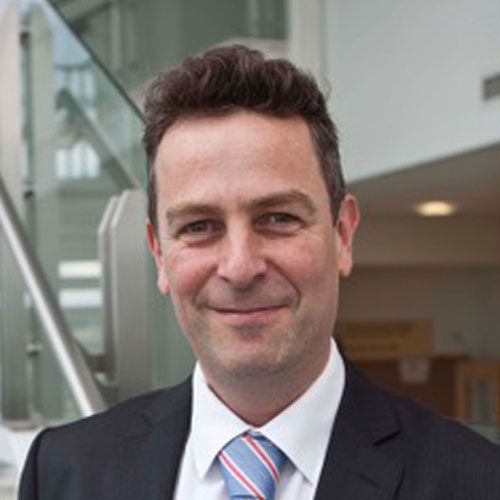

Assoc. Professor Paul Talman
Deakin University
Effectiveness of multidisciplinary clinics for MND and progressive neurological diseases
Paul Talman completed a Bachelor of Science followed by medical training as a specialist neurologist and completing a PhD in Developmental Neurobiology at the Walter and Eliza Hall Institute of Medical Research in Melbourne Victoria. In 1992 he began working with Dr Susan Mathers as a clinical neurologist specialising in MND. In 2004 Paul Talman initiated the Australian MND Registry bringing together the leading clinical neurologists from around Australia to design and build a national registry for MND. Since that time this group has developed a web based data collection system which has registered and followed over 2,500 MND patients and published on disease phenotypes and key stages in disease progression and survival.
The most recent area of significant work has been the study and policy development for multidisciplinary clinics in progressive neurological diseases. With the primary investigator Dr Susan Mathers (Calvary Healthcare), he was a coinvestigator in the creation and analysis of multidisciplinary clinics for MND /progressive neurological diseases, firstly at Calvary Healthcare and then at Barwon Health. This project quantified and demonstrated the effectiveness of progressive neurology clinics for this disease group and provides a template for national policy development in chronic disease clinics.
MiNDAUS PARTNERSHIP. Motor Neurone Disease: Patient centred care for a progressive neurological disease - evidence driving policy
People living with Motor Neurone Disease (MND) and their families are well placed by their experience of a rapidly changing disease to inform policy development and service design. To improve care and coordination, the leading clinical and research groups represented have linked with patient-centred organisations, care providers and philanthropy to propose a national consortium that will accumulate real-time, quality-controlled data to inform best practice service provision, research and enrolment in clinical trials. This project has 3 major themes, 1. Empowering MND patients and their carers, 2. Unification and integration of data collection in MND, 3. Using data to inform policy development in care provision, resource allocation and research direction. The data linkage between research platforms will also facilitate a precision approach to individual patients for treatment and involvement in clinical trials. The critical outcome of our approach is to provide relevant data across the spectrum of care, service provision and research informing more accurate policy development.